
National Geographic names 4 US spots among top travel d…
uaetodaynews.com — National Geographic names 4 US spots among top travel destinations worldwide
NEWYou can now listen to Fox News articles!
National Geographic has released its annual Best of the World travel listfeaturing must-visit destinations around the world.
The 2026 round-up called out four locations in the United States — including scenery and sites in North Dakota, Oklahoma, Hawaii and Pennsylvania.
Below are the U.S. states that NatGeo recommends visiting in the next year.
Badlands, North Dakota
North Dakota’s Badlands is known for its rugged landscape, including sweeping hills, prairie grasses, canyons and rock formations, as well as native wildlife.
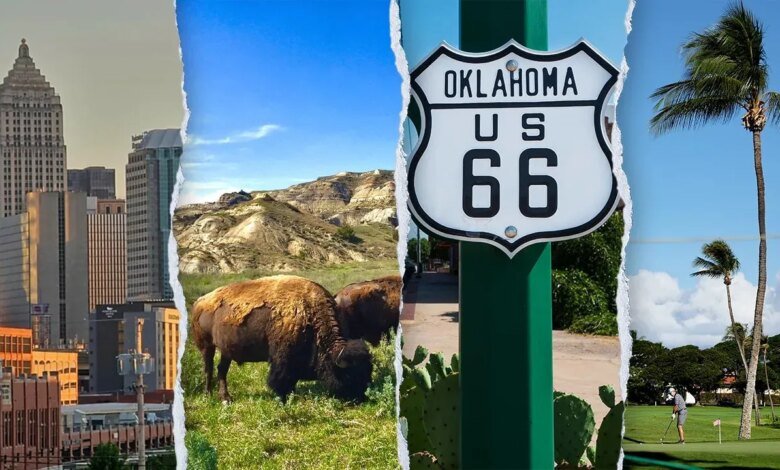
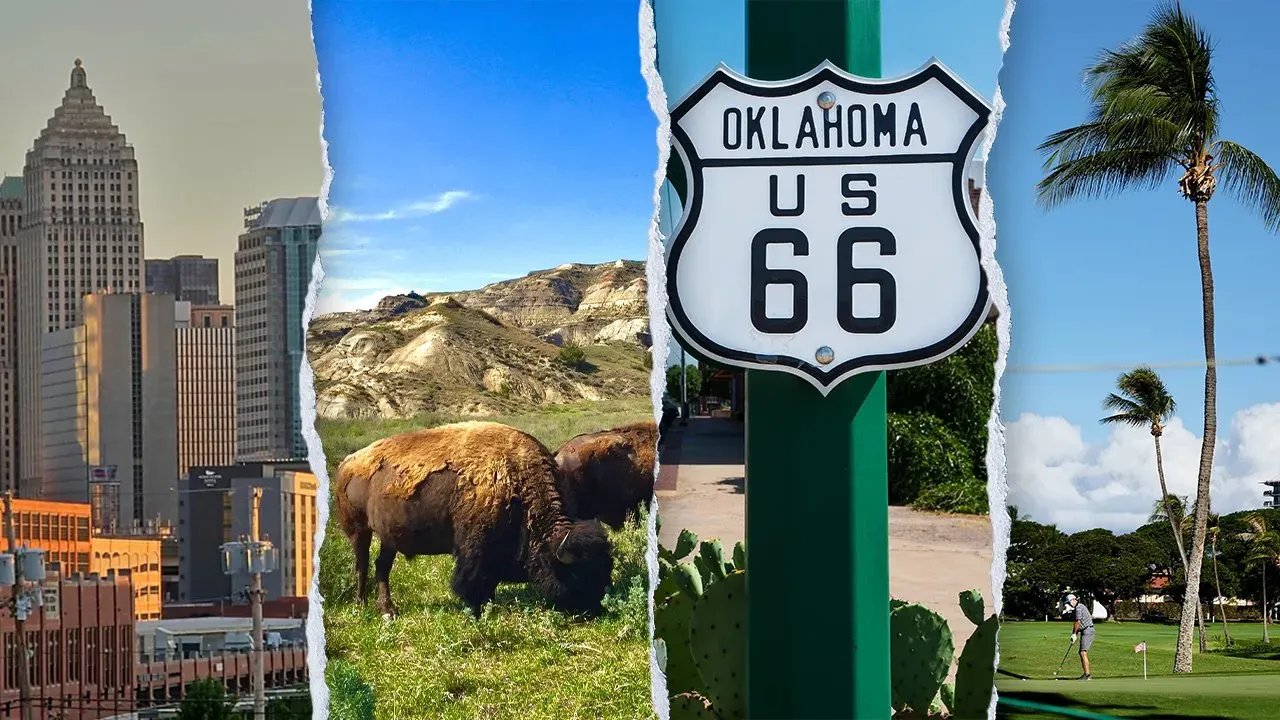
National Geographic’s annual best of the year travel list included destinations in North Dakota, Oklahoma, Hawaii and Pennsylvania. (Robert Knopes/UCG/Universal Images Group via Getty Images; iStock; Mario Tama/Getty Images)
The area is also home to Theodore Roosevelt National Park and will welcome the Theodore Roosevelt National Library on July 4, 2026.
THREE US TRAVEL DESTINATIONS LAND ON NATIONAL GEOGRAPHIC’S ‘BEST OF THE WORLD 2025’ LIST
Roosevelt “sought refuge” in the Badlands and hunted bison in 1883, which later shaped the president’s character and thoughts on conservation as wildlife disappeared, according to NatGeo.
Next summer, the new library, measuring 93,000 square feet, will be “perched high on a butte” in the town of Medora, the publication shared.
The Badlands is home to Theodore Roosevelt National Park and will welcome the Theodore Roosevelt National Library on July 4, 2026. (Bernard Friel/UCG/Universal Images Group via Getty Images)
The library will reportedly include interactive exhibits on Roosevelt’s history and travels. The structure will also include a walkable roof covered in native vegetation that will be a part of a 1.3-mile trail toward the national park.
Rouut 66, Oklahola
America’s famous Route 66, spanning the country from Chicago, Illinois, to Santa Monica, California, will celebrate its 100th anniversary in 2026.
TOURISTS FLOCK TO SEE ICONIC LANDMARK FINALLY FREE OF SCAFFOLDING AFTER 200 YEARS
NatGeo recommends taking the “Mother Road” through Oklahomawhich has been getting an “Americana glow-up.”
In the last four years, the Oklahoma Department of Transportation has invested more than $82 million on the state’s 400-mile stretch of iconic roadway, including “re-lit neon signs, revived motor courts and roadside attractions,” according to the article.
America’s famous Route 66, spanning the country from Chicago, Illinois, to Santa Monica, California, will celebrate its 100th anniversary in 2026. (iStock)
Taking the road through the Meadow Gold District along 11th Street will lead to indie retail locations, “campy outdoor statues,” art galleries, “quirky” gift shops, record stores and western vintage boutiques.
TEST YOURSELF WITH OUR LATEST LIFESTYLE QUIZ
The Oklahoma Route 66 Museum, located in Clinton, Oklahoma, features a 1950s-style diner and historic exhibits.
Maui, Hawaii
Hawaii is already America’s tranquil getaway, attracting tourists with its blue waters and stunning beaches.
The devastating wildfires in Maui in 2023 caused more than $5 billion in damage and claimed more than 100 lives, specifically destroying the historic beach town of Lahaina.
CLICK HERE TO GET THE FOX NEWS APP
Many businesses in the area have since reopened, according to NatGeo, encouraging visitors to support ongoing efforts to rebuild.
A person golfs on the first day of tourism resuming in west Maui, two months after a devastating wildfire, on Oct. 8, 2023, near Lahaina, Hawaii. (Mario Tama/Getty Images)
While tourism in the area is still down, there is a unique opportunity to explore the island without large crowds in a more intimate setting.
National Geographic reported that the Grand Wailea hotel just debuted Hawaii’s largest spa, and Wailea Beach Resort refreshed its grounds to include an adults-only wellness sanctuary with an infinity pool.
CLICK HERE FOR MORE LIFESTYLE STORIES
There are also “voluntourism” opportunities, where guests of some hotels can participate in beach cleanups and native-plant restoration hikes.
Pittsburgh, Pennsylvania
National Geographic highlighted Pittsburgh, Pennsylvania, as a not-to-miss city for its “thriving” cultural scene and museum variety.
Pittsburgh’s Carnegie Museums of Art and Natural History come recommended, as the Carnegie International, which occurs every four years, returns in 2026 with an anticipated contemporary art exhibit.
Pittsburgh, Pennsylvania, touts a variety of museums and anticipated updates. (Robert Knopes/UCG/Universal Images Group via Getty Images)
The Andy Warhol Museum in the Pop District has also undergone a $60 million expansion, including a new performing arts venue.
The same area also houses the National Aviary, which NatGeo describes as a “hugely underrated attraction,” featuring free-flight habitats with hundreds of birds.
CLICK HERE TO SIGN UP FOR OUR LIFESTYLE NEWSLETTER
Pittsburgh has 90 neighborhoods and widespread redevelopment plans across the city, including downtown restaurant hubs and city park spaces.
of National Geographic’s 2026 Best of the World list can be found on its website.
Disclaimer: This news article has been republished exactly as it appeared on its original source, without any modification.
We do not take any responsibility for its content, which remains solely the responsibility of the original publisher.
Disclaimer: This news article has been republished exactly as it appeared on its original source, without any modification.
We do not take any responsibility for its content, which remains solely the responsibility of the original publisher.
Author: uaetodaynews
Published on: 2025-10-23 20:49:00
Source: uaetodaynews.com